Cancer
|
|
Colon Cancer II Cancer of the colon or rectum is also called colorectal cancer. In the United States, it is the fourth most common cancer in men and women. Caught early, it is often curable. It is more common in people over 50, and the risk increases with age. Symptoms can include blood in the stool, narrower stools, a change in bowel habits and general stomach discomfort. However, you may not have symptoms at first, so screening is important. |
|
|
HPV Vaccine/Cervical Cancer Cervical cancer is caused by several types of a virus called human papillomaviruses (HPV). The virus spreads through sexual contact. Most women's bodies are able to fight HPV infection. But sometimes the virus leads to cancer. You are at higher risk if you smoke, have many children, use birth control pills for a long time, or have HIV infection. Cervical cancer may not cause any symptoms at first, but later, you may have pelvic pain or bleeding from the vagina. |
|
|
Mammography The recent controversy over when—and how often—women should begin having mammograms has left a wake of confusion. Now that the new recommendations have been analyzed in the news media, this episode explores the fully story full story behind the recommendations. This episode also helps you understand how to work with your physician to assess your own risk factors and determine what works for you. |
|
|
Breast Reconstruction Treatment for breast cancer can be overwhelming, both physically and emotionally. While having reconstructive surgery is a personal choice, knowing your options can help you better prepare for the future. |
|
|
Late Effects of Cancer Treatment Treatment of cancer involves the use of strong drugs that target the cancer with the goal of curing it, but these often life saving treatments can leave a wake of long-term physical and mental effects that patients are often not prepared for. Once cancer treatment is over, it is important to continue follow-up care and to understand the late effects of cancer treatment.
|
|
|
Skin Cancer Can that warm and fuzzy feeling of the sun bathing your body really come back to haunt you in the form of skin cancer? Absolutely. And for thousands of Americans every year, the cumulative effects of sun exposure result in an untimely death. In this Second Opinion episode, medical experts and skin cancer victims come together to explore the signs, symptoms, and outcomes of this disease and clue you in on simple measures that you and your family can take to significantly reduce your risk. |
|
|
Prostate Cancer In America, prostate cancer is the most common form of cancer in men, and the second most common cause of cancer deaths in men. But if it's found early enough, it's quite curable. In this episode of Second Opinion, you'll learn about how prostate cancer is tested for, diagnosed and treated. |
|
|
Ovarian Cancer One of the deadliest forms of cancer, ovarian cancer is also one of the few cancers for which genetic testing can determine a person's susceptibility. This episode explores the challenges faced by a woman balancing the opportunity to know her genetic profile with only limited diagnostic testing and sometimes radical treatment options available. |
|
|
Non-Hodgkin Lymphoma While other cancers continue to decline, lymphoma is on the rise. The good news is that with early diagnosis, Non-Hodgkin Lymphoma is often a very treatable disease with a good prognosis. |
|
|
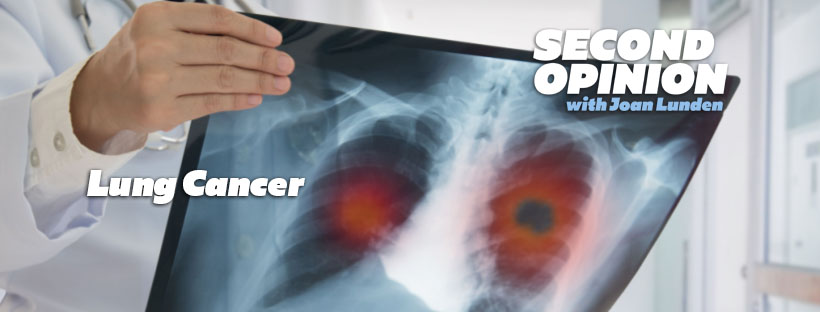
Lung Cancer With so much money going into cancer research and the success rate of cancer treatment increasing every year, why is a diagnosis of lung cancer still a death sentence? Experts who diagnose and treat the disease talk openly about the challenges of finding good diagnostics and a cure. |
|
|
Life After Breast Cancer The diagnosis and treatment of breast cancer is a traumatic time for the patient and their loved ones. Yet life after the cancer treatment is often just as challenging. Experts, patients and laypeople discuss life after breast cancer - what it means to a woman personally, medically, socially and sexually. |
|
|
Leukemia Chronic Lymphocytic Leukemia (CLL) is a type of leukemia that mainly affects people over the age of 50. The use of biologic markers has greatly increased the ability to diagnose, stage, choose treatments and give prognosis of this disease, making it a disease that many people can live with for many years. |
|
|
Colon Cancer Colon cancer is the third most common type of cancer among American men and in women and is the third leading cause of cancer-related deaths (after lung cancer) in the United States. Learn about how doctors can help you catch it in it's earliest, most curable stage. |
|
|
Cervical Cancer an HPV It is the second leading cause of cancer deaths in women worldwide. Would you be surprised to learn that cervical cancer is caused by a virus, and that a vaccine may soon make it a disease of the past? The latest in cervical cancer treatment and prevention is featured in this episode of Second Opinion. |
|
|
Breast Cancer Recurrence While survival rates for breast cancer continue to improve, for some women, recurrence is a devastating reality. When cancer returns, a sense of failure can confront both the patient and health care provider. Our expert panel explores a topic filled with both challenge and hope. |
|
|
Breast Cancer Breast cancer: two of the most frightening words in the English language. There's no shortage of advice for protection, detection and treatment options, and women presented with the diagnosis face an overwhelming number of choices. How do you make treatment decisions? And is there such a thing as a "survivor"? Our healthcare team tackles these questions and more on this episode of Second Opinion. |